How to Choose the Right Garden Hose Float Valve for Efficient Water Control and Irrigation
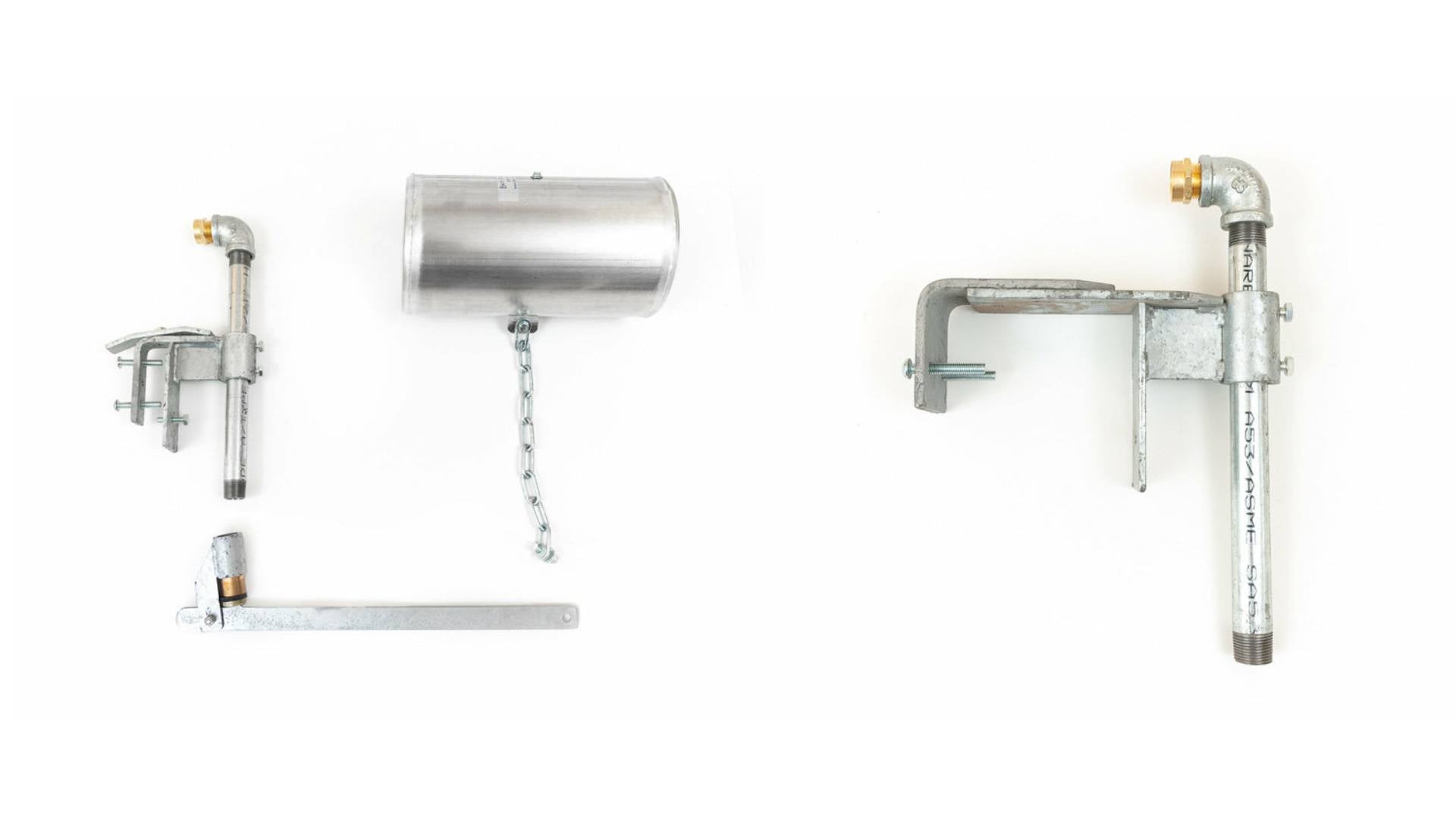
Managing water efficiently is at the heart of a healthy and sustainable garden. Whether you’re filling livestock tanks, irrigating raised beds, or maintaining a backyard pond, one small yet powerful device can make the difference between overflow and optimal flow — the garden hose float valve.
Choosing the right float valve for garden hose connections isn’t just about preventing spills; it’s about controlling water pressure, maintaining consistency, and improving irrigation efficiency. In this guide, we’ll break down everything you need to know about selecting, installing, and maximizing the performance of a high flow garden hose float valve, with real-world insights to help you make the most informed decision.
What Is a Garden Hose Float Valve?
A garden hose float valve is a mechanical device designed to automatically regulate water flow in tanks, troughs, barrels, or irrigation systems. When the water level drops, the valve opens, allowing water to flow in. Once the level reaches a set height, a float mechanism closes the valve — stopping the water supply and preventing overflow.
This simple yet ingenious technology eliminates the need to manually monitor water levels, making it a must-have for:
- Garden irrigation setups.
- Rainwater harvesting systems.
- Livestock water troughs.
- Aquaponic and hydroponic tanks.
- Garden ponds and decorative water features.
For gardeners and farmers who depend on consistent watering, a float valve for garden hose ensures a steady flow without the hassle of constant supervision.
Why You Need a Float Valve for Garden Hose Systems
Manual watering can waste both time and water. More importantly, inconsistent watering leads to problems like root rot, soil erosion, or plant stress. Installing a float valve garden hose setup ensures that every drop is used efficiently.
Here’s why it’s worth the upgrade:
- Automatic Water Level Control: The float mechanism opens or closes the valve automatically, maintaining a consistent water level.
- Water Conservation: It prevents water wastage by stopping overflow, making it eco-friendly and cost-effective.
- Low Maintenance: Once installed, it requires minimal upkeep.
- Versatile Compatibility: Works with standard garden hoses, tanks, and irrigation barrels.
- Improved Irrigation Consistency: Essential for drip systems or automatic irrigation setups that rely on even water output pressure.
Whether you’re topping off a small backyard pond or controlling water in a large trough, a well-chosen high flow garden hose float valve keeps the system balanced and reliable.
Understanding the Different Types of Garden Hose Float Valves
Not all float valves are created equal. The right type depends on your system’s size, water source, flow rate, and pressure. Here are the main configurations you’ll encounter when shopping for one:
1. Inline Float Valves
These attach directly to the water source or inline with a hose. They’re ideal for smaller tanks or barrels where space is limited.
Pros:
- Compact and easy to install.
- Suitable for low-pressure applications.
Best for: Small backyard tanks, decorative fountains, and portable watering systems.
2. Tank-Mounted Float Valves
Mounted directly through the wall of a container or trough, these valves use a floating arm to open and close the water supply.
Pros:
- Excellent durability and accuracy.
- Handles moderate to high water pressures.
Best for: Rain barrels, ponds, livestock troughs, and garden irrigation tanks.
3. High Flow Garden Hose Float Valves
These are designed to deliver higher water volume, making them perfect for larger tanks or systems that need fast refilling.
Pros:
- Supports high water pressure without leaking.
- Fills tanks quickly.
- Reduces downtime in irrigation cycles.
Best for: Commercial gardens, farms, and high-capacity irrigation systems.
When in doubt, go for a valve that aligns with your tank capacity and water supply rate. If you often deal with large water volumes, investing in a high flow garden hose float valve will save time and maintain water efficiency.
Factors to Consider When Choosing the Best Float Valve for Garden Hose Use
Selecting the perfect float valve garden hose connection involves evaluating several factors — each one influencing long-term efficiency and performance.
1. Material Quality
The build material determines durability and compatibility with your water source.
- Plastic float valves: Lightweight, affordable, and resistant to corrosion — suitable for standard garden use.
- Brass and stainless steel valves: Stronger and ideal for high-pressure or outdoor environments where durability is crucial.
If your region has hard water or your valve will be exposed to sunlight, choose UV-resistant and corrosion-proof materials.
2. Flow Rate and Pressure Rating
The valve should match your water supply’s pressure level. Look for specifications like “maximum working pressure” and “flow rate (GPM).”
For example, a high flow garden hose float valve can handle 80–100 PSI with heavy water throughput — perfect for larger systems.
3. Connection Size
Ensure that the valve’s thread type (usually ¾-inch for standard garden hoses) matches your existing hose fittings. Using the wrong size may lead to leaks or inefficient flow.
4. Adjustability
Some models come with adjustable arms or float lengths, allowing you to set the precise water level you want. This is particularly useful for maintaining a consistent irrigation level in tanks or barrels.
5. Maintenance and Accessibility
Choose a valve design that’s easy to clean and maintain, especially if you’re using it in systems where algae or sediment buildup is likely. Removable covers or accessible float arms make periodic cleaning simpler.
6. Application Suitability
Every setup is different. Identify where you’ll use the valve:
- For garden barrels — small to medium flow valves.
- For livestock tanks — heavy-duty or high flow valves.
- For hydroponic systems — precision valves for consistent low-pressure filling.
When shopping at Best Float Valves, check the usage recommendations listed for each model to ensure the right fit.
The Benefits of Using a High Flow Garden Hose Float Valve
A high flow garden hose float valve offers distinct advantages that set it apart from standard models, especially for gardeners and farmers managing larger systems.
Faster Tank Refilling
Thanks to its higher throughput design, a high-flow valve reduces downtime between irrigation cycles. This means faster reservoir refills and uninterrupted water supply for your plants.
Improved Irrigation Performance
More consistent water levels translate to more stable pressure in your irrigation lines, ensuring drip emitters and sprinklers perform efficiently.
Greater Durability
High flow valves typically use reinforced housings and stainless-steel components that withstand higher pressures and temperature changes.
Cost-Efficiency
Though slightly more expensive initially, they reduce long-term costs by minimizing leaks, water waste, and replacement frequency.
If your system supports high water demand, upgrading to a float valve for garden hose with high flow capacity is a smart, future-proof choice.
Installation Tips for Optimal Performance
Installing a garden hose float valve is typically quick, but precision ensures long-term reliability. Here’s a step-by-step breakdown:
- Prepare Your Tank or Barrel: Clean the inside to remove sediment that could clog the valve.
- Drill the Mounting Hole: Most tank-mounted valves require a pre-drilled hole. Check your valve’s specification (like ⅜″ or ¾″ fitting).
- Insert the Valve: Place it through the hole, securing it with the included washers and nuts.
- Attach the Hose: Screw your garden hose tightly onto the valve’s inlet fitting. Use a rubber washer or Teflon tape if necessary.
- Adjust the Float Arm: Set your desired water level by raising or lowering the float.
- Test the Valve: Turn on the water supply and observe how the valve opens and closes automatically.
Pro tip: Keep the float mechanism free from obstructions and algae buildup for consistent performance over time.
Maintenance Best Practices
A properly installed float valve garden hose can last for years with minimal servicing. To extend its life, follow these best practices:
- Inspect monthly: Check for leaks or debris around the valve seat.
- Clean the float: Rinse off algae or mineral buildup to maintain buoyancy.
- Tighten fittings: Loose joints can lead to drips or pressure loss.
- Replace washers: Rubber seals can deteriorate over time, especially in hard water conditions.
Neglecting maintenance can cause inefficiency or slow refilling — something a regular 5-minute inspection easily prevents.
Common Float Valve Issues and Troubleshooting Tips
Even the best systems can occasionally face hiccups. Here’s how to troubleshoot typical problems with your float valve for garden hose setup:
| Problem | Likely Cause | Quick Fix |
|---|---|---|
| Slow filling or low flow | Clogged filter or buildup inside valve | Rinse filter and clear debris |
| Valve doesn’t shut off completely | Worn-out seal or misaligned float arm | Replace washer or adjust float level |
| Overflowing tank | Float set too high | Reset arm to lower position |
| Leaking at hose connection | Loose or damaged washer | Re-tighten fitting or replace washer |
| Float not rising properly | Float punctured or waterlogged | Replace float assembly |
Regular inspection and cleaning can prevent 90% of these issues, protecting your irrigation investment.
How to Match Your Float Valve with Other Garden Equipment
For maximum efficiency, your garden hose float valve should integrate seamlessly with the rest of your watering infrastructure.
- Rainwater Harvesting Systems: Combine with a filter and overflow outlet to maintain a constant water level in storage barrels.
- Drip Irrigation Systems: Maintain steady water pressure levels for even distribution across emitters.
- Fertilizing and Hydroponic Tanks: Ensure consistent nutrient solution levels without risk of dilution or overflow.
- Livestock Watering Stations: Provide a constant supply of fresh water for animals, reducing manual refilling.
By connecting your float valve to standard hose fittings, it easily fits into any hose-based water management setup, saving time and ensuring efficiency.
Where to Find Reliable Float Valves
Quality matters when choosing a float valve that will withstand constant exposure to pressure, sunlight, and weather. Best Float Valves offers a variety of options tailored to different water systems — from small garden barrels to large agricultural tanks.
Their collection includes durable plastic and stainless-steel float valves designed for both low and high flow systems. With detailed specifications for hose size, flow rate, and pressure compatibility, you can easily find the perfect float valve for garden hose use that will last season after season.
Key Takeaways
- A garden hose float valve automates water control, eliminating the hassle of manual refilling.
- Choose based on flow rate, water pressure, material, and application type.
- A high flow garden hose float valve is ideal for large systems that require fast refills.
- Routine cleaning and proper installation ensure years of reliable service.
- Trusted suppliers like Best Float Valves provide tested and efficient models for home and commercial gardens alike.
Final Thoughts
A float valve garden hose system is one of those investments that pays off every single day. Once installed, it silently keeps everything running smoothly — your tanks filled, your plants hydrated, and your time freed up for more enjoyable gardening tasks.
If you’re serious about improving irrigation efficiency, water conservation, and system automation, exploring the right garden hose float valve options is the best place to start. With modern, high-quality designs available through platforms like Best Float Valves, regulating your garden’s water supply has never been easier or more efficient.


Please upload banner from store admin blog pages