
Float Switch Basics: Types, Uses, and Common Applications
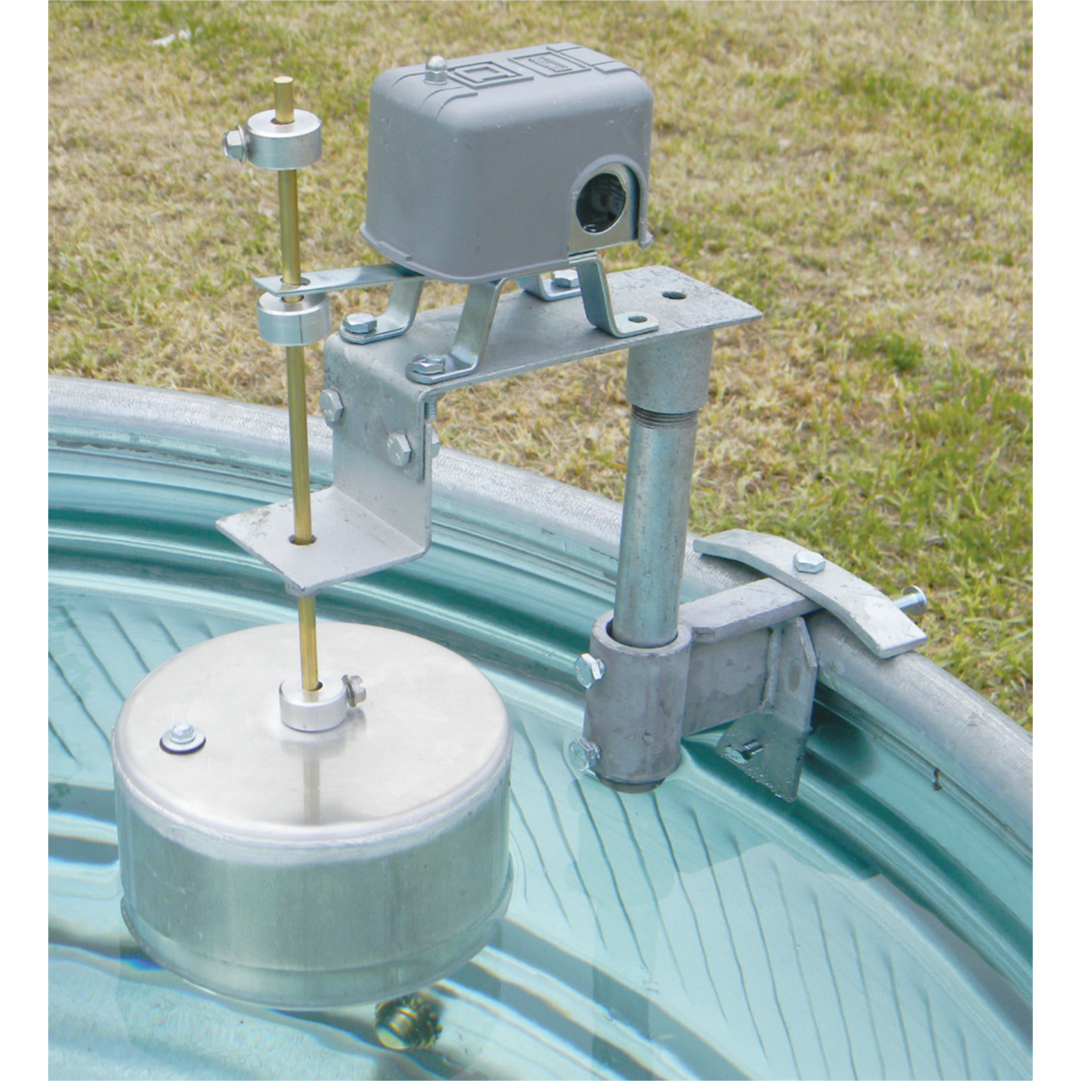
Water management systems rely on precise control mechanisms to maintain proper levels, prevent overflow, and ensure continuous operation. Among the most essential components in these systems is the float switch—a deceptively simple device that solves complex liquid level challenges across countless industries. Whether you are managing a residential sump pump, an agricultural irrigation system, or an industrial processing tank, understanding float switch fundamentals helps you select the right equipment for reliable performance. At Best Float Valve, we specialize in high-quality liquid level control solutions, including our professional-grade electric float switch kit designed for demanding applications.
What is a Float Switch?
A float switch is a liquid level sensor that uses a buoyant device to detect rising or falling fluid levels and trigger electrical responses. The basic principle is elegantly simple: as liquid rises, it lifts a floating component attached to a switch mechanism. When the float reaches predetermined heights, it activates or deactivates connected equipment such as pumps, valves, or alarms.
This straightforward mechanical approach offers significant advantages over electronic sensors in many applications. Float switches require no external power for sensing, work reliably in harsh environments, and provide fail-safe operation that digital sensors sometimes cannot match. Their simplicity translates to longevity—quality float switches often operate maintenance-free for decades.
Types of Float Switches
Understanding the different float switch configurations helps you select the optimal solution for your specific application:
Mechanical Float Switches
Traditional mechanical float switches use a floating ball attached to an actuating arm. As the ball rises with liquid level, it pivots the arm to trigger a microswitch. These devices work reliably in clean water applications and offer the advantage of visual operation confirmation. However, the exposed mechanical components can become fouled in debris-heavy liquids or tight spaces.
Cable Float Switches
Cable-style float switches suspend a weighted float on an electrical cord. The switch activates when the cord angle changes as the float rises or falls. These versatile devices work well in applications requiring wide level differentials or where space constraints prevent rod-mounted alternatives. The flexible installation allows positioning at virtually any depth within tanks or sumps.
Vertical Float Switches
Designed for mounting through the top of tanks, vertical float switches move up and down along a fixed guide rod. This configuration provides precise level control and works reliably in deep tanks or pits. The protected mechanism resists fouling better than horizontal alternatives, making vertical float switches ideal for sewage, wastewater, or industrial applications.
Electric Float Switches
Modern electric float switch units combine traditional float mechanics with solid-state electronics for enhanced functionality. These sophisticated devices offer adjustable switching points, multiple relay outputs, and compatibility with programmable logic controllers. Our electric float switch kit at Best Float Valve provides professional-grade reliability for residential, commercial, and industrial installations requiring precise liquid level management.
Common Applications For Float Switches
The versatility of float switches makes them indispensable across diverse industries and applications:
Residential Sump Pumps
Perhaps the most familiar application, sump pump float switches protect basements from flooding by automatically activating pumps when groundwater reaches critical levels. The reliability of these switches literally protects homes from catastrophic water damage during storms or equipment failures.
Water Well Systems
Float switches in well systems control pump operation to maintain tank levels while preventing dry-running that damages pumps. Pressure tank integration ensures consistent household water pressure while protecting well pumps from excessive cycling.
Agricultural Irrigation
Modern farming depends on precise water delivery. Float switches manage reservoir levels, control pump stations, and automate irrigation scheduling. The agricultural applications range from small greenhouse operations to massive center-pivot irrigation systems covering thousands of acres.
Industrial Process Control
Manufacturing facilities use float switches for chemical processing, cooling tower management, parts washing systems, and wastewater treatment. The ability to withstand corrosive environments, extreme temperatures, and heavy cycling makes float switches ideal for demanding industrial settings.
HVAC Systems
Heating and cooling equipment generates condensate requiring proper drainage. Float switches in drain pans detect clogs or overflow conditions, shutting down equipment before water damage occurs. This protection prevents costly ceiling damage and mold growth in commercial buildings.
Municipal Water Systems
City water treatment and distribution systems rely on float switches at every stage—from reservoir level monitoring to pump station control to tower management. The public health implications of these systems demand the reliability that only proven float switch technology can provide.
Selecting The Right Float Switch
Choosing the appropriate float switch requires evaluating several key factors:
Liquid characteristics – Consider temperature, corrosiveness, viscosity, and particulate content. Different materials resist different chemicals, while specialized designs handle viscous fluids or slurries that would foul standard units.
Switching requirements – Determine whether you need simple on/off control or more sophisticated multi-level switching. Some applications require pumps to activate at high levels and deactivate at low levels, while others need alarms at extreme high or low points.
Electrical specifications – Match voltage, current, and contact configurations to your control system. The electric float switch options at Best Float Valve accommodate various voltage requirements and load types.
Mechanical constraints – Evaluate tank dimensions, mounting options, and space limitations. Cable length, rod diameter, and float diameter must fit your installation environment while providing adequate movement range.
Environmental factors – Consider explosion-proof requirements for hazardous locations, weatherproofing for outdoor installations, and temperature extremes that might affect operation.
Installation and Maintenance Best Practices
Proper installation ensures reliable float switch performance:
Secure mounting – Anchor switches firmly to prevent movement or vibration that could cause false triggering or mechanical damage. Cable floats need secure tethering points that won't shift over time.
Proper positioning – Install floats where they can move freely without contacting tank walls, pipes, or agitators. Obstructions can prevent proper operation or cause mechanical damage.
Electrical protection – Use appropriate conduit, sealing, and strain relief to prevent moisture ingress into electrical connections. Ground metal components per local electrical codes.
Regular testing – Periodically verify float switch operation by manually lifting floats or adjusting levels. Annual testing catches developing problems before they cause system failures.
Cleaning – In applications with debris or biological growth, clean floats and guides regularly to prevent fouling that restricts movement.
For customers seeking quality liquid level control solutions, here is our complete contact information:
Best Float Valve
- Phone: 859-878-2378
- American Made – Kentucky-based operations
- Email: will@bestfloatvalve.com
FAQs About Float Switches
Q1. How long do float switches typically last?
Quality float switches operate reliably for 10 to 20 years or more with proper installation and maintenance. Mechanical switches in clean water applications often exceed these estimates, while units in harsh chemical environments may need earlier replacement. Our electric float switch kit at Best Float Valve uses premium components designed for extended service life.
Q2. Can I use a float switch with corrosive chemicals?
Yes, but material selection is critical. Stainless steel, polypropylene, and specialized alloys resist different chemicals. Always verify material compatibility with your specific liquid composition. Chemical-resistant electric float switch units are available for aggressive industrial environments.
Q3. Why does my float switch keep failing?
Common failure causes include mechanical fouling, electrical overload, vibration damage, or incorrect voltage. Inspect floats for debris accumulation, verify electrical ratings match your system, and ensure proper mounting stability. Repeated failures often indicate incorrectly specified switches for your application.
Q4. What is the difference between normally open and normally closed float switches?
Normally open switches complete the circuit (turn ON) when the float rises. Normally closed switches break the circuit (turn OFF) when the float rises. Your application determines which configuration you need—pump control typically uses normally open for filling operations and normally closed for emptying operations.
Q5. Can I install a float switch myself, or do I need an electrician?
Simple replacements in residential sump pumps can be DIY projects for handy homeowners. However, new installations, 240-volt systems, or integration with complex control panels should involve qualified electricians to ensure safety and code compliance.
Q6. How do I choose between mechanical and electric float switches?
Mechanical switches offer simplicity and reliability for basic applications. Electric float switch systems provide enhanced features like adjustable setpoints, remote monitoring capability, and integration with automation systems. Choose based on your control complexity requirements.
Conclusion
Float switches represent essential technology that quietly protects property, ensures operational continuity, and automates liquid management across countless applications. From residential sump pumps to industrial processing systems, these reliable devices provide the fundamental level control that modern infrastructure demands. Understanding float switch types, applications, and selection criteria empowers you to make informed decisions that prevent costly failures and optimize system performance. Whether you need a simple mechanical switch or a sophisticated electric float switch kit, Best Float Valve offers the quality products and expert guidance to meet your liquid level control needs. Explore our comprehensive selection today and discover why professionals trust our float switch solutions for their most critical applications.


Please upload banner from store admin blog pages